Get Marketing Insights First
Subscribe to receive actionable strategies, growth tips, and industry insights delivered straight to your inbox.
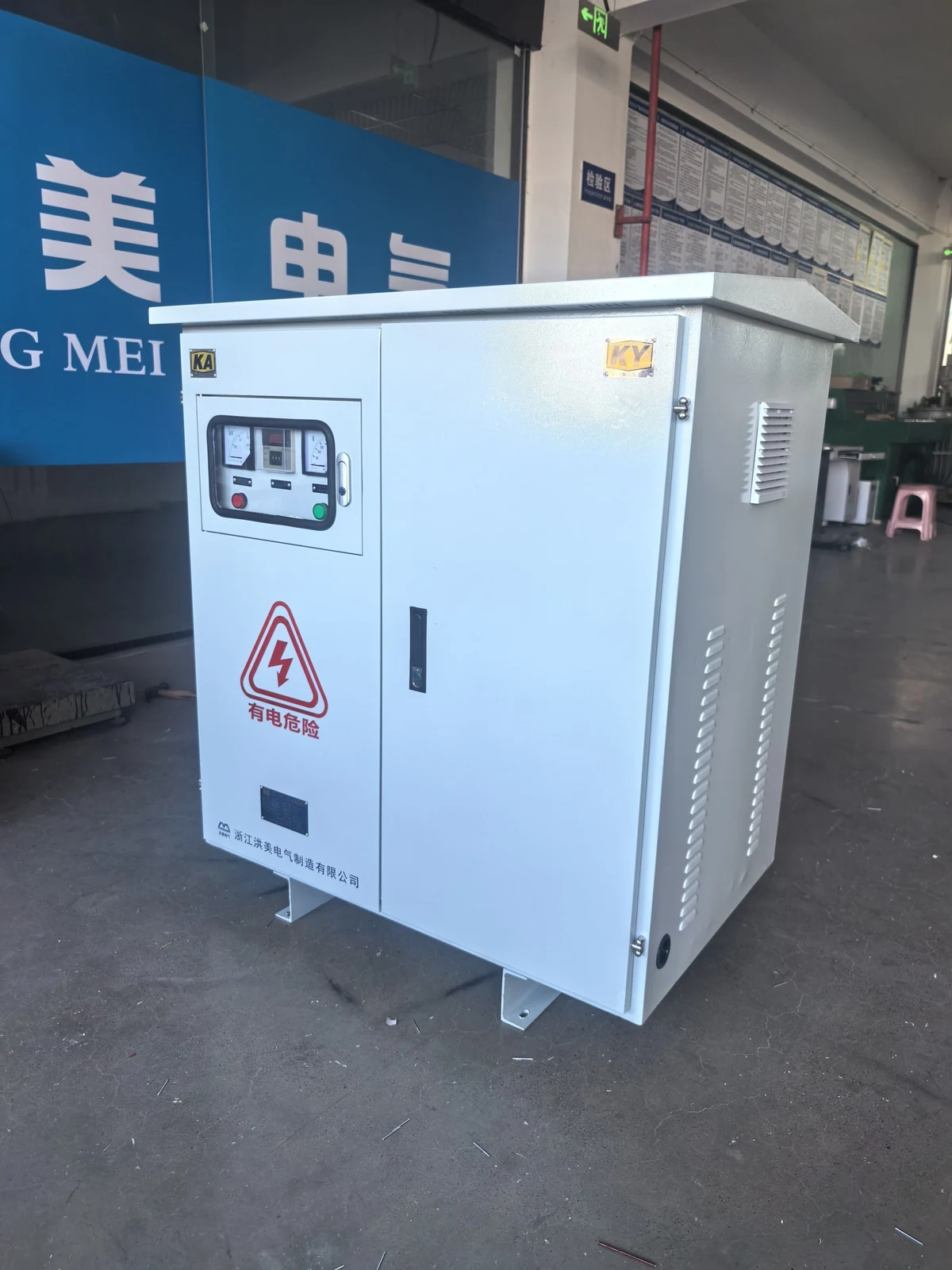
When you place a custom order, our dry-type transformer manufacturing process runs three parallel branches into final assembly, inspection, and storage. Bought-in and subcontracted parts enter through incoming inspection first, while we handle winding, impregnation, drying, assembly, and testing in-house. Below, you’ll see which specs to lock upfront, why each stage matters, and how lead time and warranty work.
Once you confirm your custom order specs, your dry-type transformer moves through incoming inspection and three parallel workshop branches. Those branches then merge into final assembly, factory inspection, and storage. Bringing four clear inputs upfront keeps quoting straightforward and lets winding and cabinet work start without hold-ups.
A dry-type transformer uses air and solid insulation instead of oil to step voltage up or down indoors or underground. In our manufacturing process, raw materials plus bought-in and subcontracted items go through incoming inspection first. From there, our workshop carries out the in-house stages: winding, impregnation, drying, core assembly, cabinet work, checks, final assembly, and inspection.
Running three workshop branches in parallel keeps your custom build organized once specs are locked.
All three branches meet at final assembly, followed by factory inspection and storage.
To quote and schedule your custom order without back-and-forth emails, we need four inputs upfront:
Custom dry-type transformer quotation input checklist
To see how custom voltage and kVA inputs look on a real build, take one domestic copper-mine order we fulfilled. That order specified 10 units rated at 30 kVA, stepping 660 V down to 380 V. Writing down exact voltage, capacity, and quantity numbers lets our team move straight into coil and enclosure work.
You can start a custom build with as few as 1 unit, with no separate sampling fee. Having no sampling fee removes extra prototype charges; the unit price itself is quoted per order. Budget freight and customs as a separate line in your project cost.
For non-coal general-purpose mining projects, our KKSG series list spans 20 capacity ratings from 1 to 630 kVA. Listed capacities don’t pair automatically with every voltage, vector group (the winding connection arrangement), or certificate scope, so we confirm each model pairing before production. If you’re still comparing mining, three-phase, isolation, or control builds, browse our transformer product range to pick the right type first.
Buyer tip: Replacing an old unit or matching imported machinery to local power? Note your nameplate voltages, rated kVA, and whether you need a standalone cabinet or an existing-enclosure fit. Attach a site single-line diagram if you have one.
Dry-type transformer coil winding is the first active step on our winding branch. We wind each coil to match your confirmed input voltage, output voltage, and kVA rating before impregnation and drying, so those electrical figures come first.
Winding forms the electrical heart of the transformer—the insulated conductor turns linking your site supply voltage directly to your load voltage. We wind coils in-house. Right after winding finishes, those coils move straight into impregnation and drying.
Voltage ratio and kVA rating fix each coil’s build, so both figures need to be final when you place your order.
Buyer tip: On mine sites with long cables or generator power, supply voltage can dip under heavy load. Ask your electrician for live busbar readings alongside the equipment nameplate so both voltages are accurate before production.
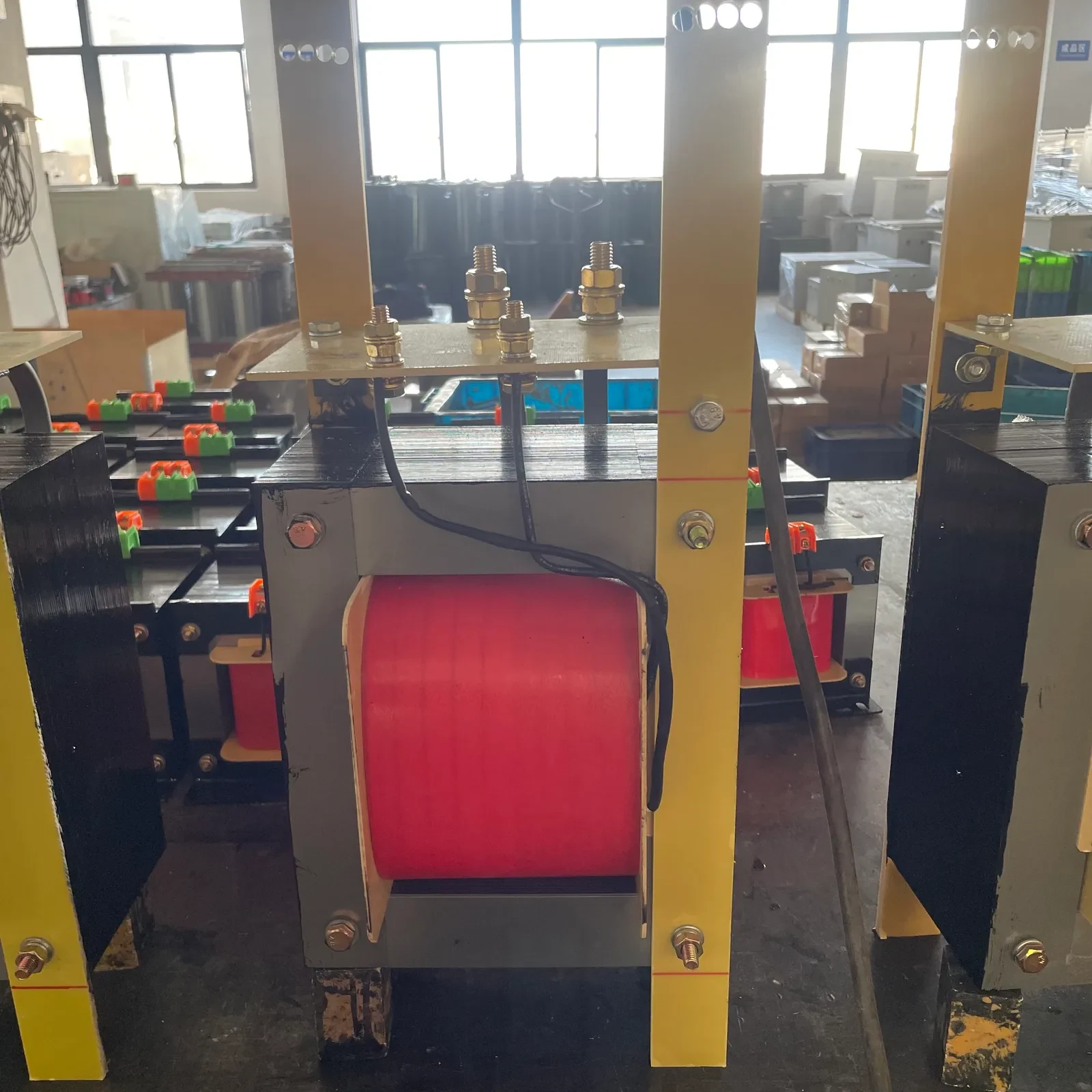
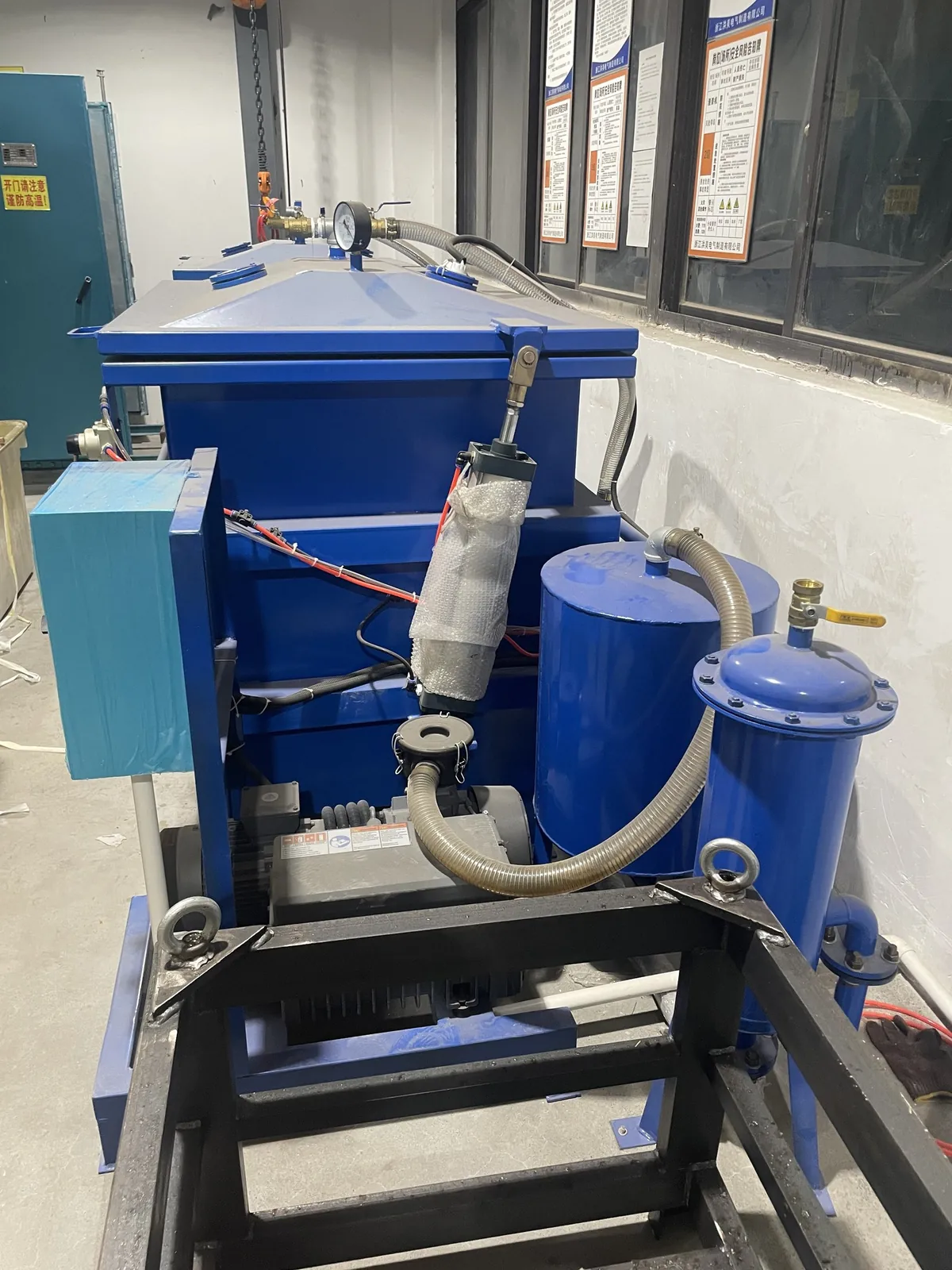
On our line, dry-type transformer windings are impregnated with insulating varnish and dried right after winding. Electrical-insulation resin selection guidance explains that thermosetting insulating varnishes and resins crosslink to seal coils and insulating paper against moisture and dust and add mechanical strength. That step finishes our winding branch before final assembly.
Untreated dry-type coils sit open to shop and site air. In humid or dusty mining rooms, open windings face real stress.
Solid-insulation engineering guidance counts moisture pickup and internal air voids among the primary insulation risks in dry-type transformers. First, humid-air moisture pickup in hygroscopic insulation is countered by pre-assembly oven drying, vacuum impregnation or encapsulation, and insulation resistance monitoring. Second, eliminating internal air voids that trigger partial discharge—tiny localized sparks that slowly erode insulation—relies on thorough vacuum impregnation or cast-resin encapsulation.
If your project specification calls for a specific varnish type, curing temperature, or drying profile, include those requirements in your inquiry.
Impregnation and drying follow coil winding directly on our shop floor. They finish the winding branch before it merges with the core and enclosure branches at final assembly.
Picture a transformer sitting unenergized in a humid tropical plant or dusty underground substation. Pairing treated windings with the right cabinet and dry storage keeps ambient moisture from cutting insulation life short.
Buyer tip: For damp mine drifts or dusty crusher rooms, write those ambient conditions beside your enclosure specs. Arrange dry, covered storage on site before energization too.
Dry-type transformer core stacking, coil fitting, and enclosure work run along two coordinated branches that merge into final assembly. Core stacking—layering thin electrical steel sheets into the magnetic core legs—builds the magnetic path for finished windings. In parallel, cabinet prep readies the enclosure for your site footprint.
Why stack thin electrical steel laminations (insulated steel sheets layered together) instead of using a solid iron block? A laminated ferromagnetic core confines and strengthens the magnetic field from the primary coil, passes it to the secondary coil, and minimizes eddy-current losses.
Electrical-steel core manufacturing guidance notes that how accurately grain-oriented electrical steel (GOES) is slit, together with core geometry, shapes operating performance. Specifically, both affect audible noise, no-load core losses, and exciting current (the current a transformer draws to magnetize its core). Where your project specifies a silicon-steel grade, lamination joint style, or loss limit, add those figures to your specification sheet.
On the core branch, our team completes the core-and-coil assembly in seven linked steps:
On the enclosure branch, our team cleans and prechecks the cabinet and pre-fits internal accessories. We then lower the transformer into the cabinet, level and align it, apply sealing protection, and run connection rechecks and a pre-withstand-test self-check.
Final assembly joins all three branches before factory inspection and storage.
Buyer tip: Measure doorways, crane lift height, and pad ventilation clearance early for enclosed units in an indoor electrical room, skid, or underground substation. Note preferred cabinet material alongside your room layout and cable-entry side.
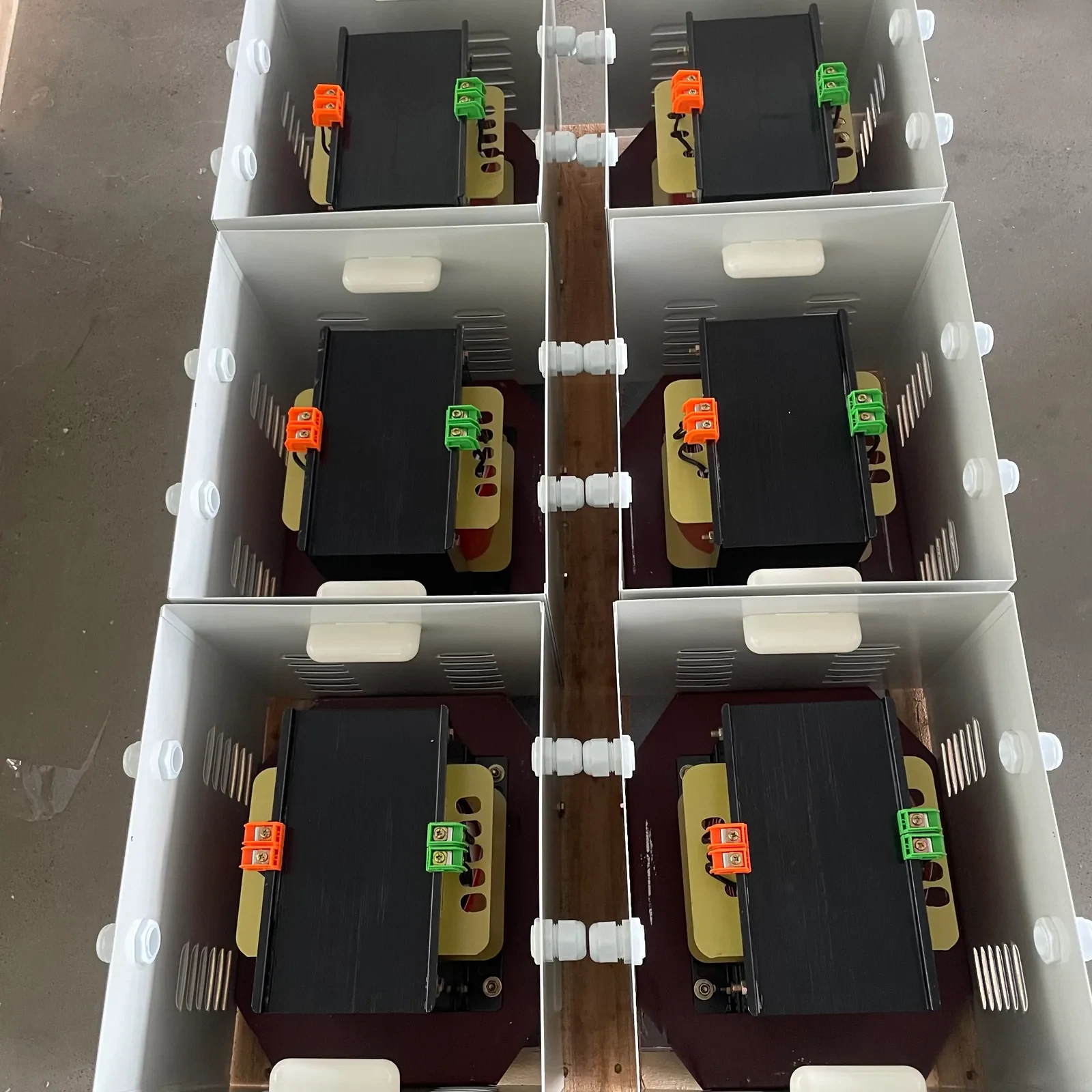
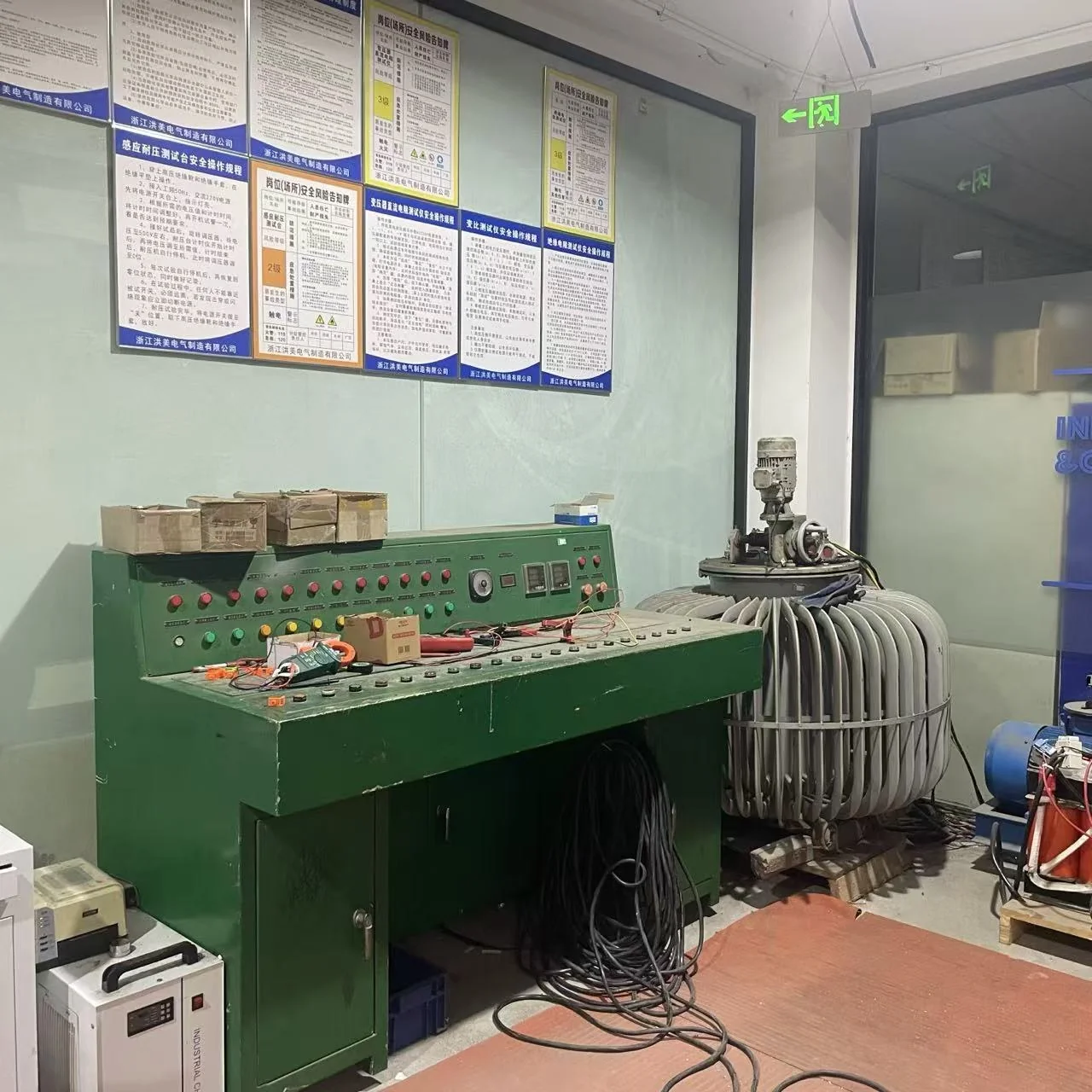
Before a dry-type transformer leaves our workshop, we separate pre-assembly checks from final factory inspection. Ahead of final assembly, we run connection rechecks and a pre-withstand-test self-check. After final assembly, the finished unit goes through factory inspection before storage.
Those checks fall at two points, one on each side of final assembly:
Factory inspection sits right after final assembly and before storage on our workshop sequence. For the standard electrical tests typically verified before release, read our routine factory tests guide.
For custom mining transformers, our factory states that a mining general-type certificate (KY) can be provided. Whether a KY certificate covers a given build is verified separately against the exact model, configuration, and operating environment.
That statement covers KY documentation only; it does not extend to coal-mine flameproof or MA approvals, or to overseas destination-country approvals.
Buyer tip: When preparing an EPC submittal package or ordering for a mining site, list your operating environment and required test records in your inquiry. Include whether your project needs KY documentation as well.
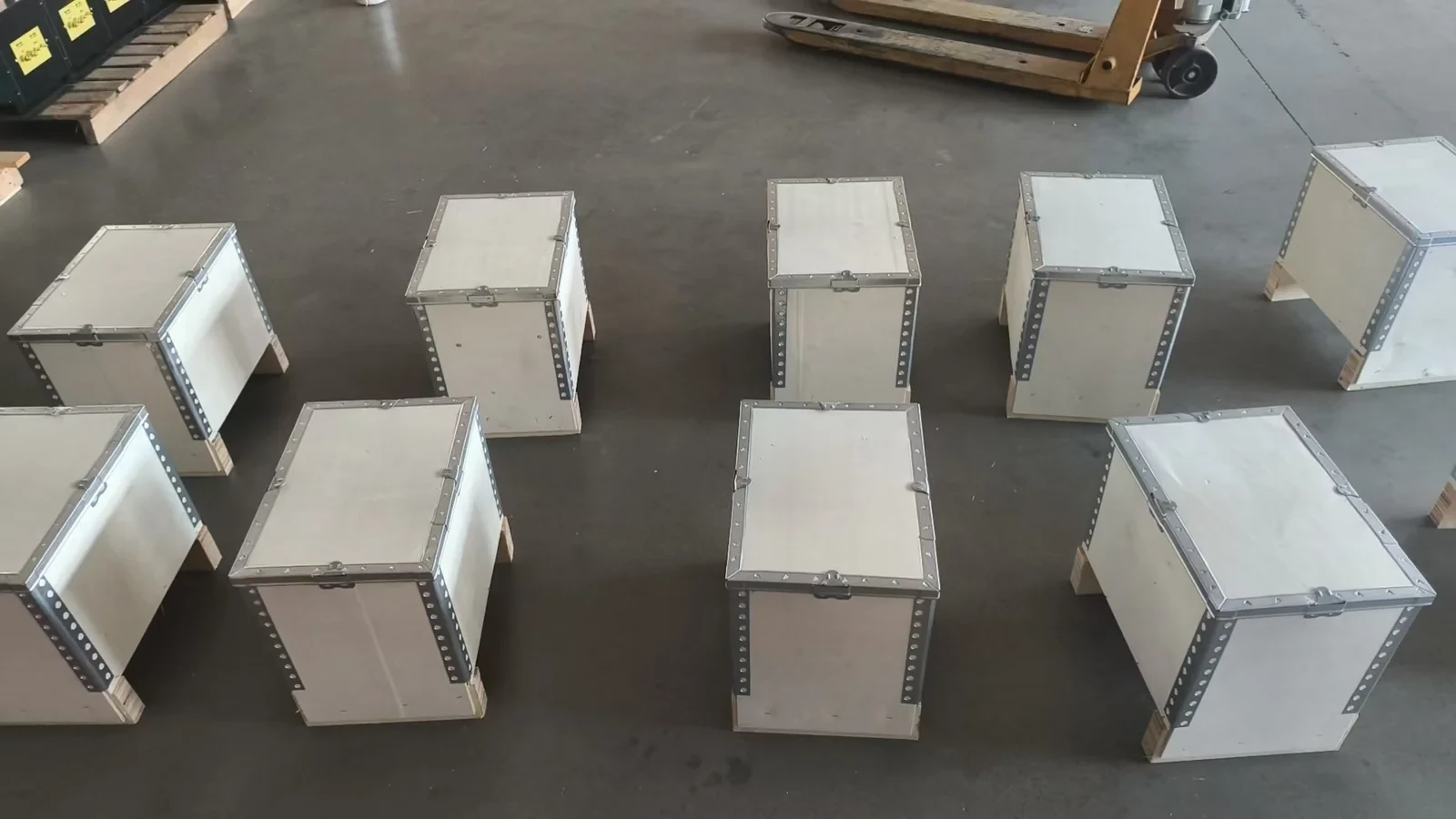
Our custom dry-type transformer manufacturing lead time is 7 to 15 days. Finished units leave storage in wooden crates or cartons and carry a one-year post-receipt warranty backed by remote video and online technical guidance. Treat that window as a factory build reference. Add freight and customs separately.
Once a finished transformer clears factory inspection, it moves into storage for packing and release. For custom builds, that build window gives you a practical factory reference for procurement planning.
Three factory-schedule points still need confirmation on your quote: the clock start trigger, calendar or working days, and whether your configuration fits the reference window. Ask us to confirm those details in writing, then add shipping transit on top.
Finished units pack in wooden crates or cartons. Warranty coverage begins the day you receive the goods, with remote video and online technical guidance supporting your team within the warranty year.
Starting warranty at receipt protects your commissioning window across overseas transit. Want a closer look at our shop equipment and workflow? Visit our manufacturing and quality process.
Buyer tip: If you have a fixed energization date or tight vessel cutoff, ask for the production clock trigger (order confirmation or spec sign-off) on your quote. Count backward with customs and freight stacked on top.
If you’re placing a custom dry-type transformer order today, we recommend working through four decisions in order before scheduling production:
Why follow this order instead of asking for a delivery date first? Quoting needs all four inputs upfront, and whether a configuration fits the build reference is confirmed after specs are set. Repeat replacement orders with a verified old nameplate and cabinet footprint are the one exception. In that case, jump straight to step three and confirm paperwork and delivery timing.
Put your four quote inputs, site notes, paperwork needs, and target energization date onto one summary page for your team.