Get Marketing Insights First
Subscribe to receive actionable strategies, growth tips, and industry insights delivered straight to your inbox.
An industrial isolation transformer separates input and output windings under IEC 61558-2-4 protective separation, and we manufacture custom isolation SG dry-type units to your voltage and load needs.
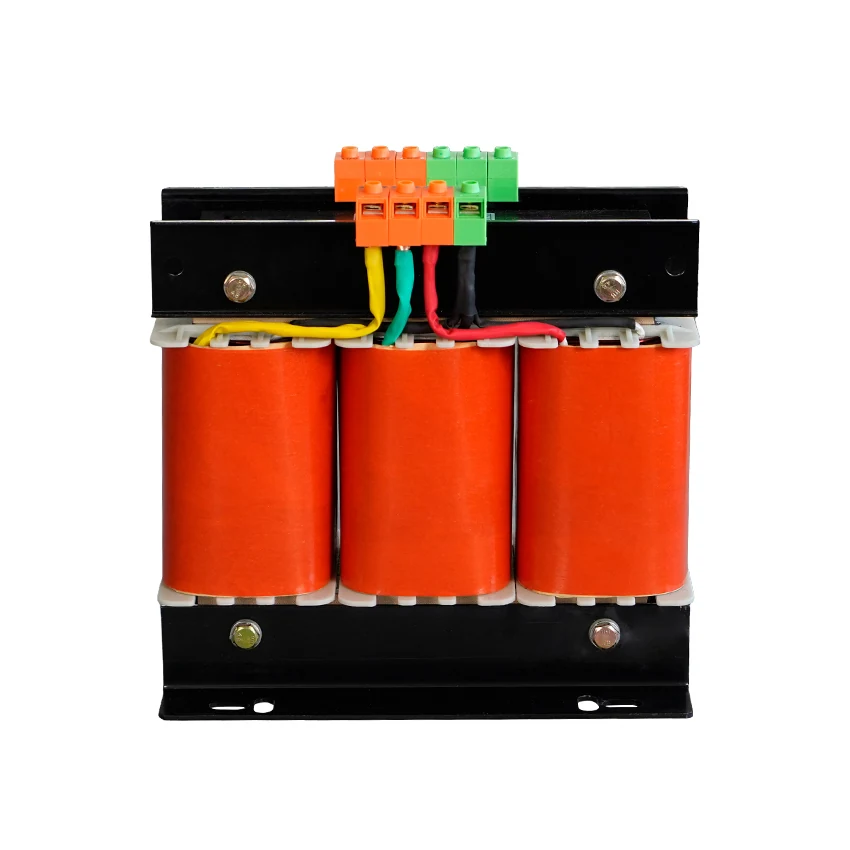
You’ll want an isolation transformer when your equipment specification calls for electrically separated input and output circuits—IEC 61558-2-4 sets that standard definition, not our product certification. To compare other dry-type series, browse our Transformer Product Range.
IEC 61558-2-4:2009 (used alongside IEC 61558-1) defines a general-purpose isolating transformer by protective separation between input and output windings. The standard requires double insulation or reinforced insulation between those windings. Where a protective screen sits between them, it requires at least basic insulation on the input side plus supplementary insulation on the output side. Input and output terminals must never connect internally or externally.
This standard applies to stationary or portable, single-phase or polyphase, air-cooled dry-type isolating transformers and power supply units incorporating isolating transformers. It covers both encapsulated and non-encapsulated windings, and sets the following rated boundaries:
| Standard parameter (IEC 61558-2-4:2009) | Single-phase limit | Polyphase (three-phase) limit |
|---|---|---|
| Rated supply voltage | Up to 1100 V a.c. | Up to 1100 V a.c. |
| Rated and internal operating frequency | Up to 500 Hz | Up to 500 Hz |
| Rated output capacity | Up to 25 kVA (unlimited by purchaser-manufacturer arrangement) | Up to 40 kVA (unlimited by purchaser-manufacturer arrangement) |
| Output voltage (no-load and rated) | Over 50 V a.c. (120 V ripple-free d.c.) to 500 V a.c. (708 V ripple-free d.c.) | Over 50 V a.c. (120 V ripple-free d.c.) to 1000 V a.c. (1415 V ripple-free d.c.) |
| Dry-type winding construction | Encapsulated or non-encapsulated | Encapsulated or non-encapsulated |
In special cases, no-load and rated output voltages can sit under 50 V a.c. Distribution transformers intended for distribution networks belong under IEC 60076-11 instead, and external circuits wired outside the terminals fall outside IEC 61558-2-4. These figures define the international standard’s scope—they are not our product ratings or an IEC 61558 certification. If your equipment specification names a target standard, insulation requirement, or protective screen, copy that exact wording into your enquiry list.
Industrial isolation transformers keep input and output windings electrically separate through protective separation, whereas voltage-matching jobs don’t always call for separated windings. Sorting out which job your equipment needs upfront helps you avoid ordering the wrong transformer type.
When a project specification calls for electrical separation with no direct conductive connection between input and output terminals, an isolation design fits that task. If you’re weighing separate windings against a shared-winding autotransformer, read Isolation Transformer or Autotransformer? to see how both setups compare.
If your site only needs to step three-phase voltage up or down without electrical isolation, start by using our guide to compare site supply and equipment needs. From there, our three-phase dry-type transformers cover three-phase voltage matching. Our main dry-type range—KKSG mining general-type, three-phase SG, and isolation SG—is organized by application, with each build matched to your written equipment specification.
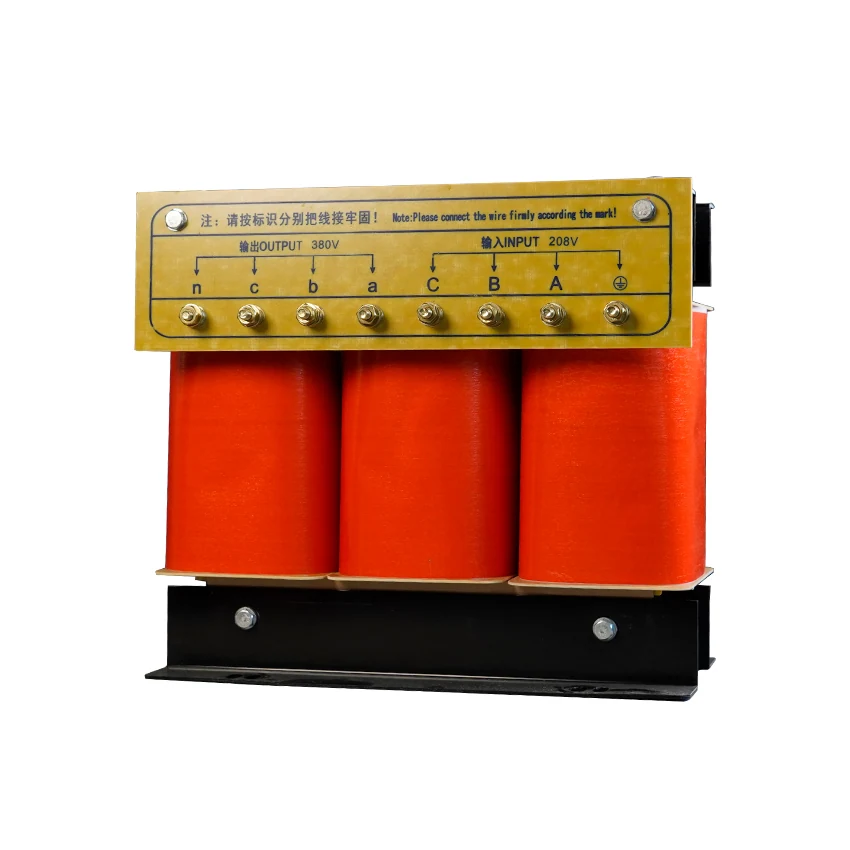
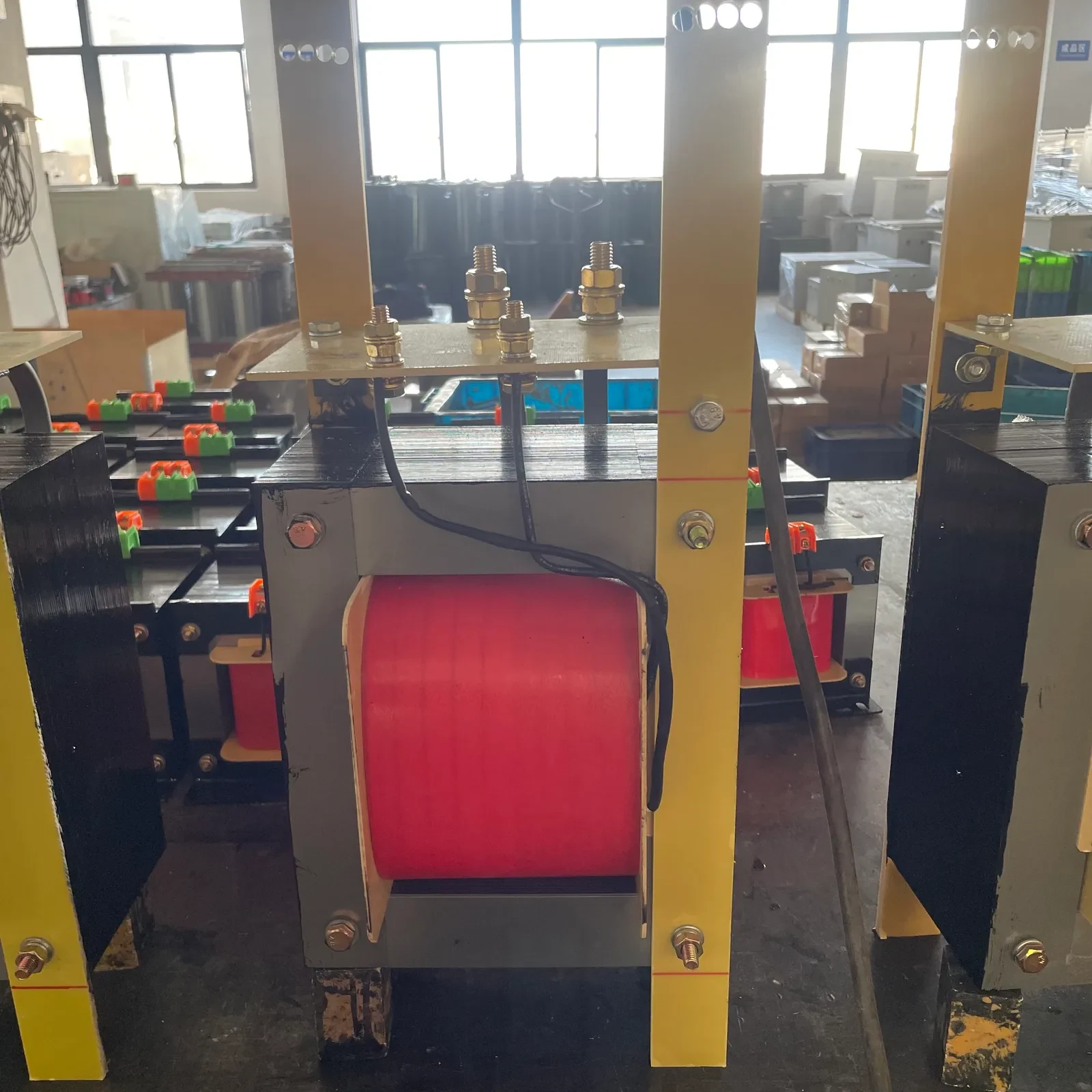
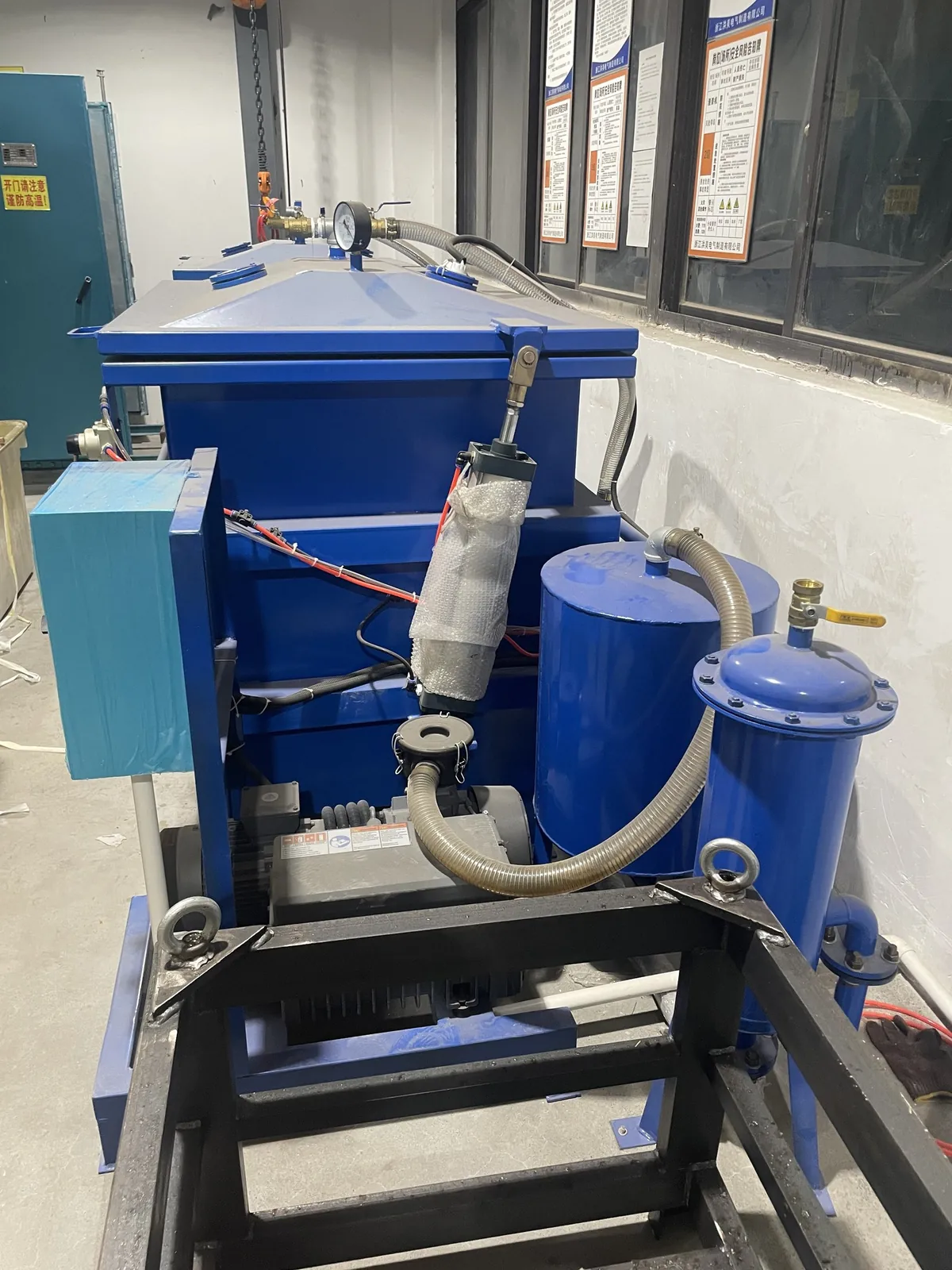
Our in-house production at Zhejiang Hongmei Electrical Manufacturing Co., Ltd. begins with incoming inspection of purchased, sourced, and outsourced components. After incoming checks, work moves into three parallel build tracks before converging into final assembly, factory inspection, and warehousing.
Once those three parallel tracks wrap up, our workshop completes final assembly, runs factory inspection, and moves finished units into warehousing. For a closer look at our workshop stages, you can review the manufacturing and inspection process.
Steady-state transformer apparent power comes straight from your RMS (effective AC) load voltage and current. For a single-phase circuit, use kVA = V × I ÷ 1000, or reverse it for full-load current: I = kVA × 1000 ÷ V. For a balanced three-phase load—three equal phase voltages spaced 120° apart across matching phase impedances, Wye or Delta—use kVA = √3 × V_line × I_line ÷ 1000. You can reverse that for line current with I_line = kVA × 1000 ÷ (√3 × V_line). Keep in mind that the three-phase line equation applies only to balanced three-phase loads, not unbalanced per-phase readings.
If your machine plate states real power in kW rather than kVA, divide by power factor: kVA = kW ÷ power factor (from P = S × power factor). Reactive power performs no useful work, yet both the transformer and feeder must carry the full apparent power. When power factor falls—say down to 0.5—required kVA and line current double for the same real work, so sizing from kW alone understates demand. For deeper conversion tables, see How Do You Convert kVA to kW for a Transformer Load?.
Running sample numbers through both equations shows how quick the steady-state check is. For a balanced three-phase load at 380 V line voltage drawing 30 A, apparent power comes to √3 × 380 × 30 ÷ 1000 ≈ 19.7 kVA. If a load plate instead lists 16 kW electrical-input power at a 0.8 power factor, required kVA equals 16 ÷ 0.8 = 20 kVA. Plug your own load schedule’s voltages, currents, or electrical-input kW figures into the same equations to record a steady-state kVA figure for your enquiry.
When an isolated supply feeds motors, pumps, or high-inrush equipment, starting currents add demand beyond steady-state kVA. You’ll want to gather motor load and starting details separately, and you can check kVA to amps worked examples for step-by-step single-phase and three-phase current math.
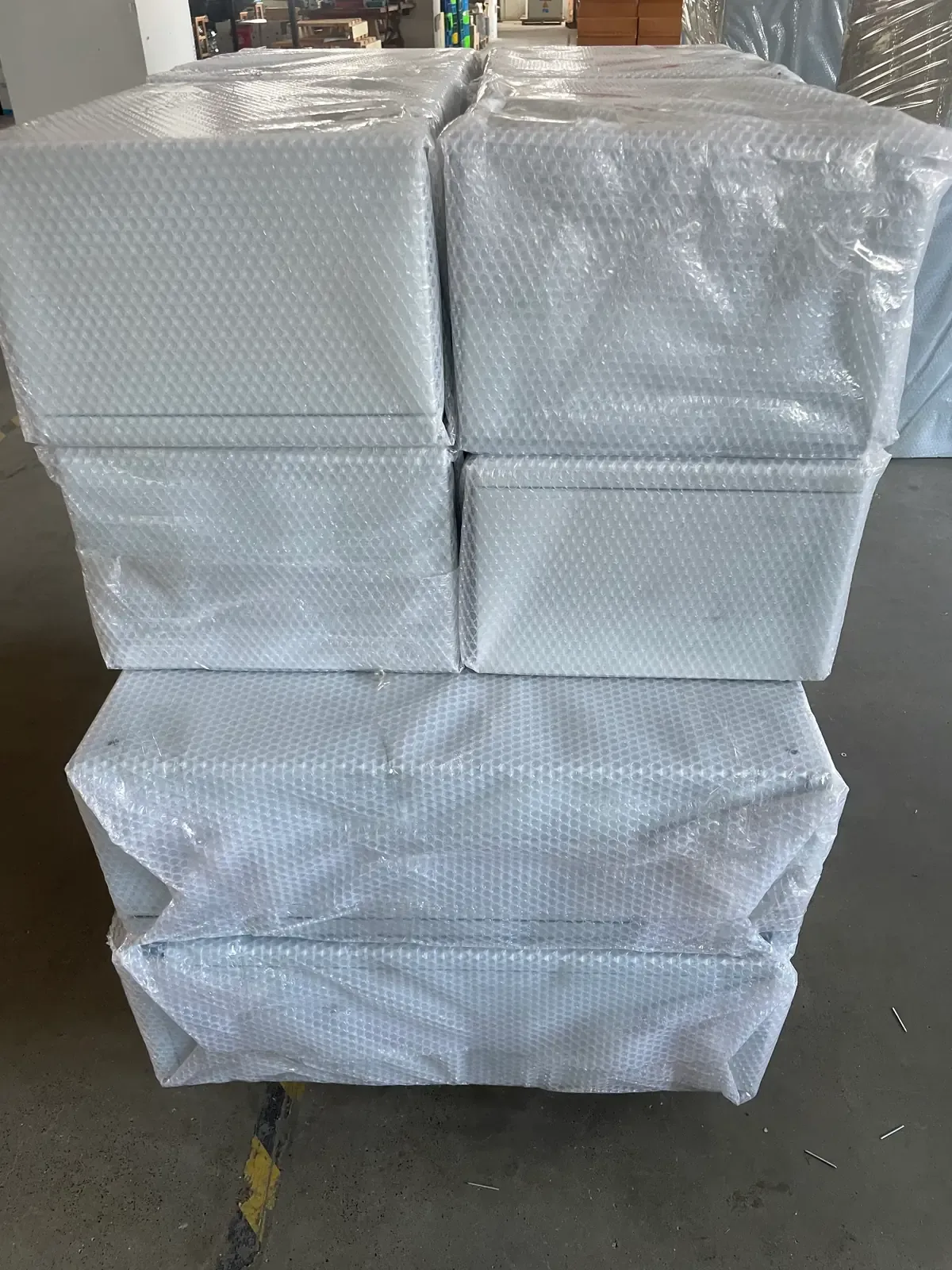
Industrial isolation transformers ship from our factory in wood cases or cartons. Check our handover overview to discuss transformer packing before dispatch.
Our one-year warranty runs from the day you receive the goods. If installation or operating questions come up after delivery, our team assists you via remote video and online guidance.
Pulling five details from your equipment datasheet and panel labels helps us review your industrial isolation transformer accurately:
For projects with non-standard layouts or special electrical specifications, our custom isolation requirements overview explains how our custom workflow runs.
Under IEC 61558-2-4, an isolation transformer provides protective separation between its input and output windings, and input and output terminals must never be interconnected. By contrast, an autotransformer shares a common winding without that winding-to-winding electrical separation. You can compare both setups in our isolation transformer vs. autotransformer guide.
IEC 61558-2-4:2009 sets general-purpose output limits at 25 kVA for single-phase units and 40 kVA for polyphase units, while allowing no capacity limit when purchaser and manufacturer arrange it. Because those limits belong to the standard rather than our own ratings, write your required kVA and any standard clause directly in your enquiry.
Orders start at 1 custom unit, making it straightforward to buy a single machine supply, trial build, or backup. There’s no separate sample-making fee—each custom unit is quoted to your specification.
The one-year warranty clock begins when you receive the goods, rather than the date the transformer ships from our factory. After delivery, we assist with installation or operating questions by remote video and online guidance.
Yes—copy any wiring arrangement, grounding requirement, protective screen note, or standard clause (such as IEC 61558-2-4) straight from your equipment datasheet into your enquiry. Keeping the original wording intact prevents assumptions about isolation details before quoting.