Get Marketing Insights First
Subscribe to receive actionable strategies, growth tips, and industry insights delivered straight to your inbox.
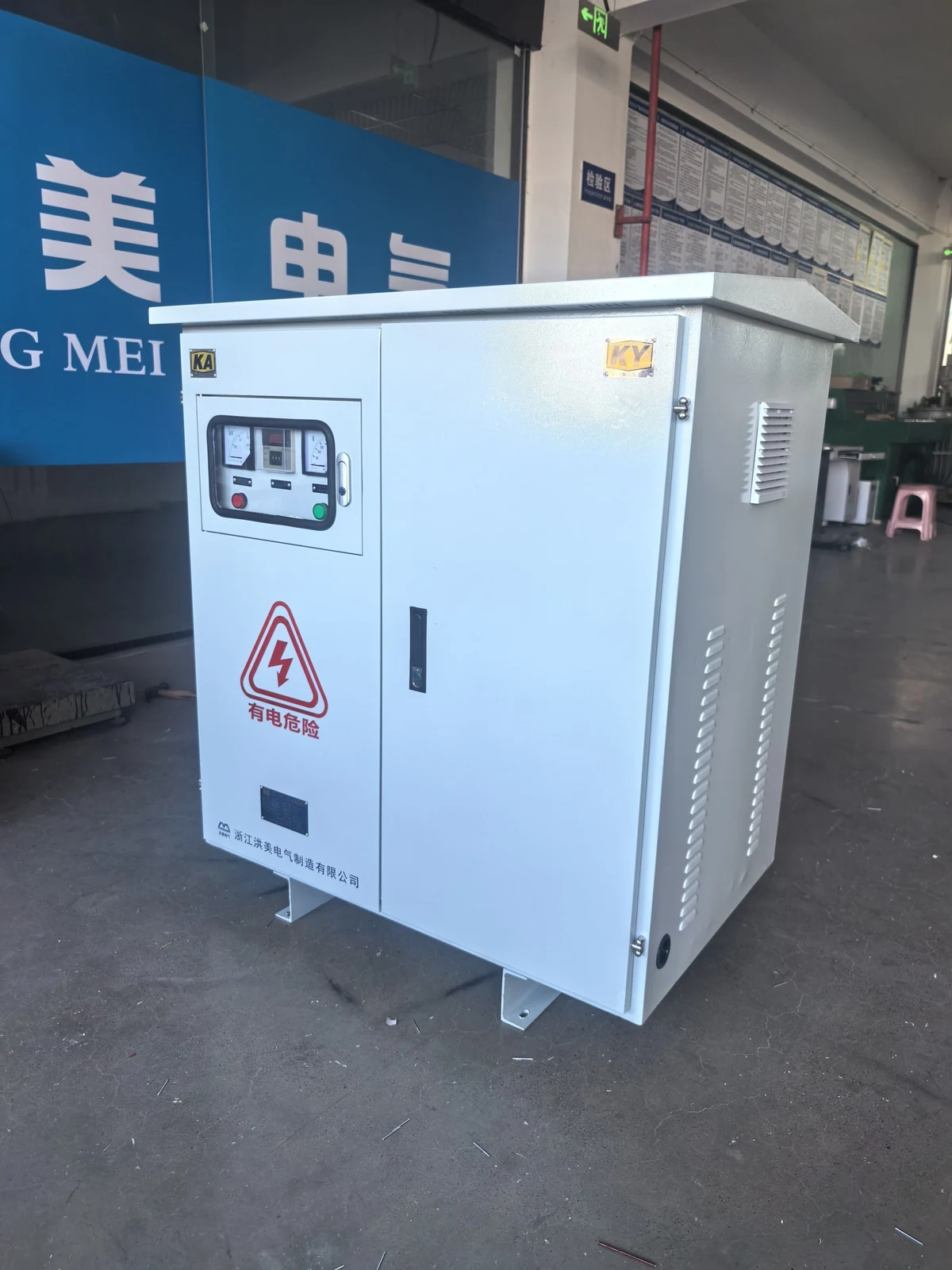
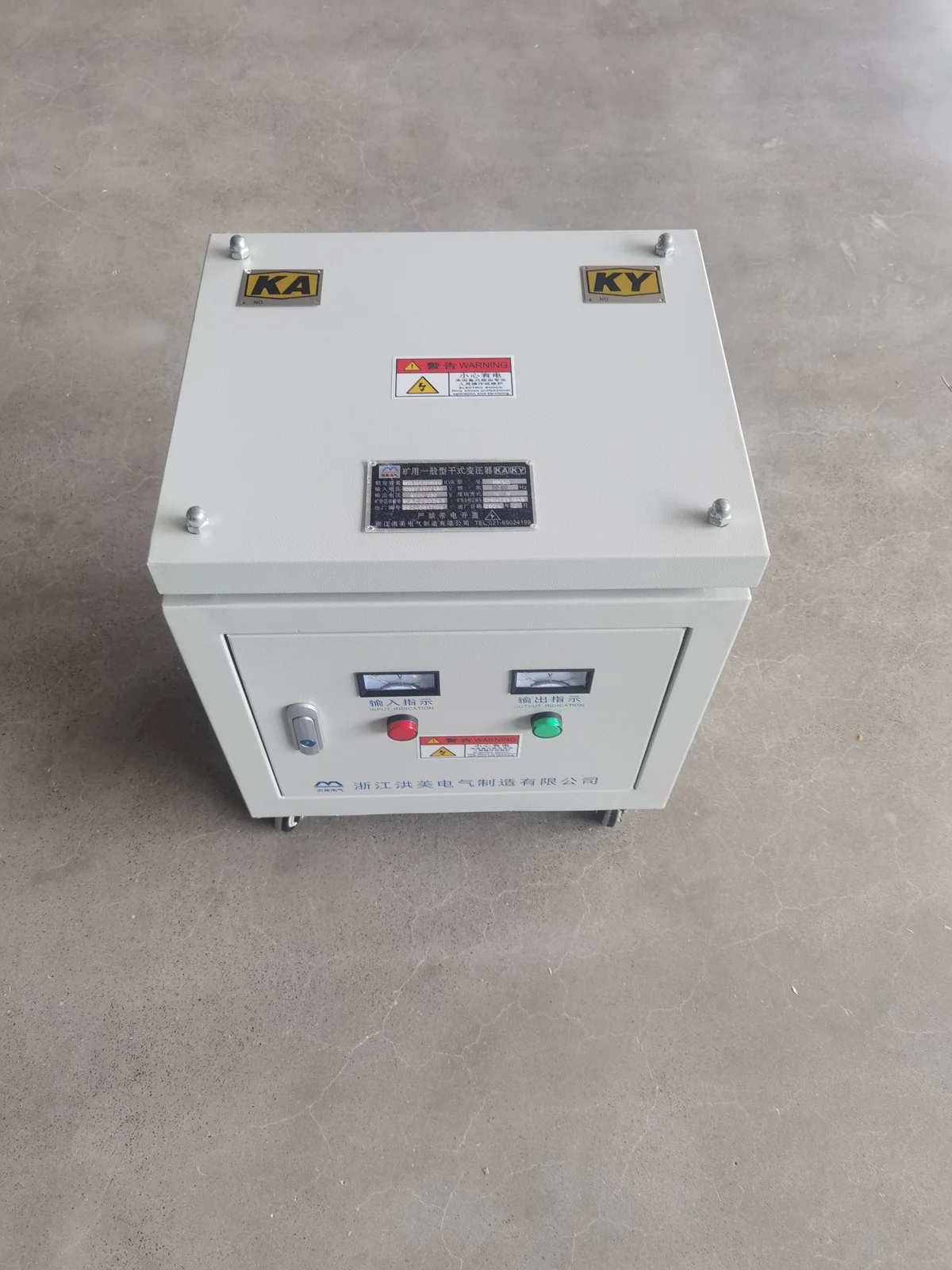
When you’re planning mining transformer selection for a mine room, confirm three things: site conditions, exact model certificate, and project standard. Below, three KY certificates from units we’ve built show how each condition stays tied to its exact model.
Mining transformer selection starts with confirming three room facts: a non-coal mine classification, placement in a chamber or main roadway, and protection from dripping water and dust ingress. When those three conditions hold, a mine general-type dry-type transformer becomes a straightforward option for auxiliary power.
On Chinese mine certificates, KY marks a mine general-type dry-type transformer. For example, our single-phase KKDG certificate covers a mine general-type single-phase dry-type transformer, and our KY certificates limit use to those non-coal chambers and main roadways.
Picture a project brief that names underground auxiliary supply and stops there. That leaves out key room facts. If water drips from the roof near the cable tray or fine rock dust drifts into the room, that space sits outside the conditions on our KY certificates.
Your enclosure rating works alongside those room conditions. Our smaller KKSG certificate pairs IP22 (basic solid-object and light water-drop protection) with dry, non-coal chambers and main roadways. Our larger KKSG certificate lists IP21 under the same site conditions. Both ratings stay bound to their stated room conditions.
Ask your site team for a brief written note stating the mine type, room category, and water or dust exposure before requesting quotes. If you also need to decide between single-phase and three-phase auxiliary loads, read our guide on choosing between single-phase and three-phase mining transformers.
A valid certificate check confirms that your exact complete model code—every letter and digit after KKDG or KKSG—appears among the models printed on the certificate. Read the certificate number, enclosure rating, and stated use conditions on that same document together.
Three KY certificates from units we’ve built illustrate how full model codes, certificate numbers, and enclosure ratings stay linked row by row.
| Complete model | Certificate number | Enclosure rating | Applicable use conditions |
|---|---|---|---|
| KKDG-50/0.693(0.4) | CMExC24.1858 | IP22 | Chambers, main roadways, and non-coal-mine environments free from dripping water and dust ingress. |
| KKSG-50/1.2(0.693,0.4) | CMExC23.1645 | IP22 | Chambers, main roadways, and non-coal-mine environments free from dripping water and dust ingress. |
| KKSG-630/1.2(0.693) | CMExC24.1859 | IP21 | Chambers, main roadways, and non-coal-mine environments free from dripping water and dust ingress. |
Each row above shows a specific certified build we’ve completed. Each certificate covers the models printed on it, its stated rating (IP22 on the first two rows, IP21 on KKSG-630/1.2(0.693)), and those same room conditions.
Check that the model on your quotation or nameplate matches the models, certificate number, enclosure rating, and use conditions on one certificate together. Notice that KKDG-50/0.693(0.4) and KKSG-50/1.2(0.693,0.4) share the same 50 capacity code yet carry separate certificate numbers. Meanwhile, KKSG-630/1.2(0.693) carries IP21 under its own certificate.
When the model you plan to order isn’t printed on an existing certificate, state during quoting whether your project requires a matching KY certificate.
When a unit arrives at your mine warehouse, place your purchase order, the metal nameplate, and the certificate side by side before signing off. Every character of the model code should match across all three. For a field-by-field walkthrough of the plate, read our guide to reading a mining transformer nameplate. To check our company and product records directly, review our ISO and mining certificate records.
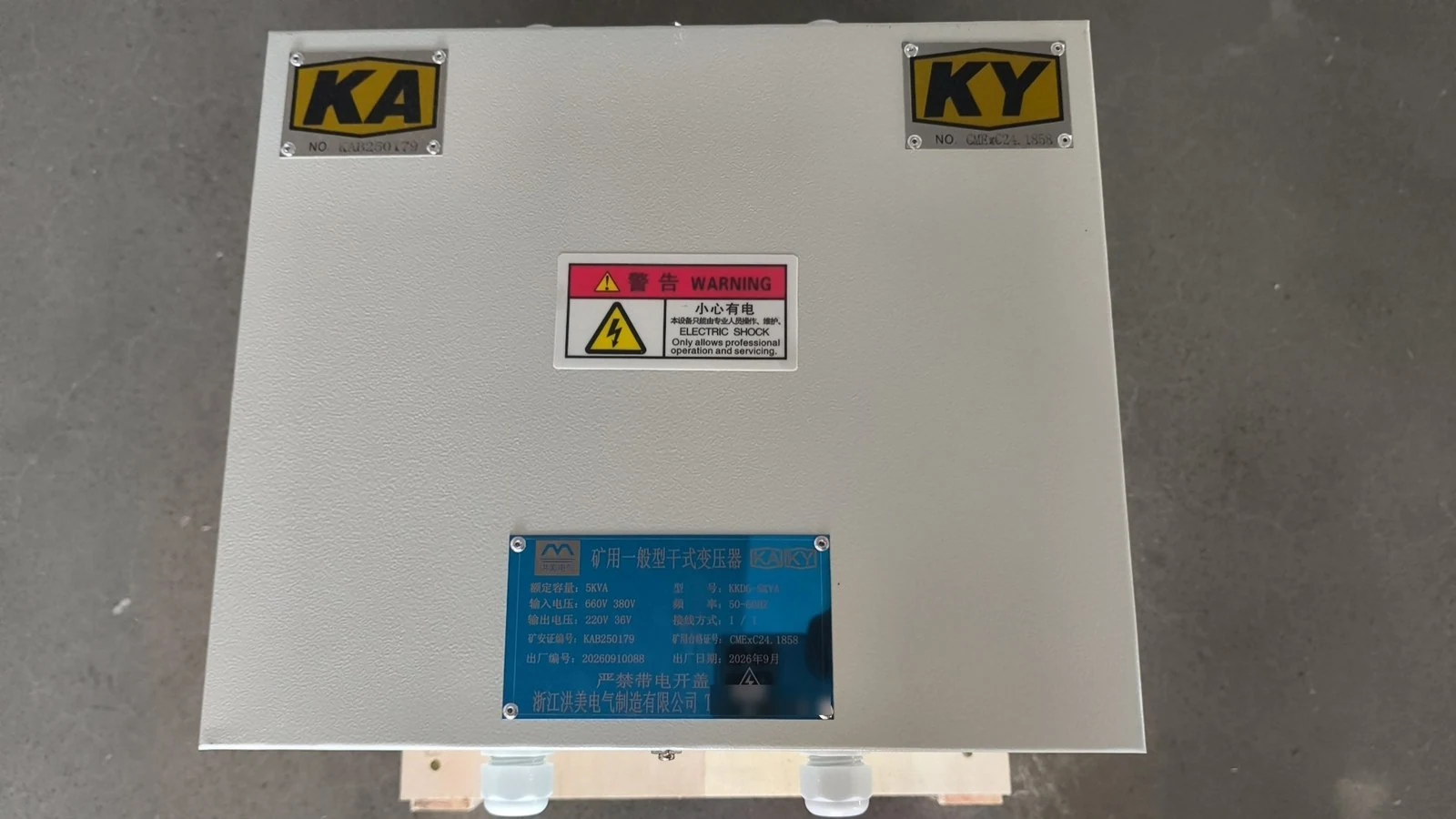
Standard verification means comparing the exact standard and edition printed on your transformer’s certificate against the edition your project specification accepts. Dry-type power transformer standards and mine general-type equipment standards define different product scopes, so compare their scope wording before ordering.
Our three KY certificates above cite GB/T 12173-2008, China’s standard for mine general-type electrical equipment. When your project specification accepts GB/T 12173-2008 for a mine general-type dry-type transformer, confirm the exact model code and site conditions on the matching certificate. Then review any remaining electrical or delivery terms in your specification.
Some project specifications reference IEC 60076-11:2018, the International Electrotechnical Commission (IEC) standard for dry-type power transformers. Read both parts of its scope. First, IEC 60076-11:2018 lists flameproof and mining transformers among its scope exclusions. Second, it allows whole or partial application where corresponding IEC standards do not exist.
Because that second clause is conditional, a dry-type standard title alone leaves open which clauses apply to your mine general-type dry-type transformer. Check it early. When your tender cites this standard for a mining room, include four questions alongside your voltage and power specs:
When your project’s accepted standard edition is still open, get that edition in writing before matching any certificate. Include that written standard note with your quotation brief. To see how routine factory checks work before shipment, read our guide on transformer routine tests.
Mining transformer selection works in three linked steps when you verify site conditions, model certificates, and project standards in order. Start with the physical room to confirm dry, non-coal conditions. Check the full model code next against the models printed on the certificate and the unit nameplate. Confirm the governing standard last so you put your project’s required standard edition and document list in writing before quoting.
Before requesting quotes or finalizing electrical sizing, put four items on one summary sheet. Record your room classification and moisture or dust conditions, plus your target full model code (noting whether a KY certificate is required). Add your project’s accepted standard edition alongside your voltage, power, and enclosure specs.