Get Marketing Insights First
Subscribe to receive actionable strategies, growth tips, and industry insights delivered straight to your inbox.
If you’re picking between a dry-type transformer and an oil-type transformer, start with cooling, dust and water protection, upkeep, and fire rules, then compare installed cost on matched duty. We build dry-type transformers. Below, we compare both builds fairly so you can match the right option to your room or yard.
A dry-type transformer keeps its magnetic core and windings outside an insulating-liquid bath, while an oil-type transformer immerses its core and coil assembly in insulating liquid. Catalogs and standards also call an oil-type unit a liquid-immersed or oil-filled transformer. That internal build shapes how heat leaves the windings.
| Comparison point | Dry-type transformer | Oil-type transformer |
|---|---|---|
| Core and windings in insulating liquid | No (air and solid insulation) | Yes (immersed in insulating liquid) |
| Primary heat-removal path | Air circulating around windings | Insulating liquid to tank or radiators |
| Winding insulation build | Varnished and dried, VPI, or cast resin | Liquid bath inside an enclosed tank |
Insulation separates live windings from each other and from the steel core so current follows its intended path safely. IEC 60076-11 defines a dry-type transformer by the absence of an insulating-liquid bath, rather than a single factory recipe. U.S. federal distribution-transformer definitions likewise identify a liquid-immersed transformer by its liquid-bathed core and coil assembly.
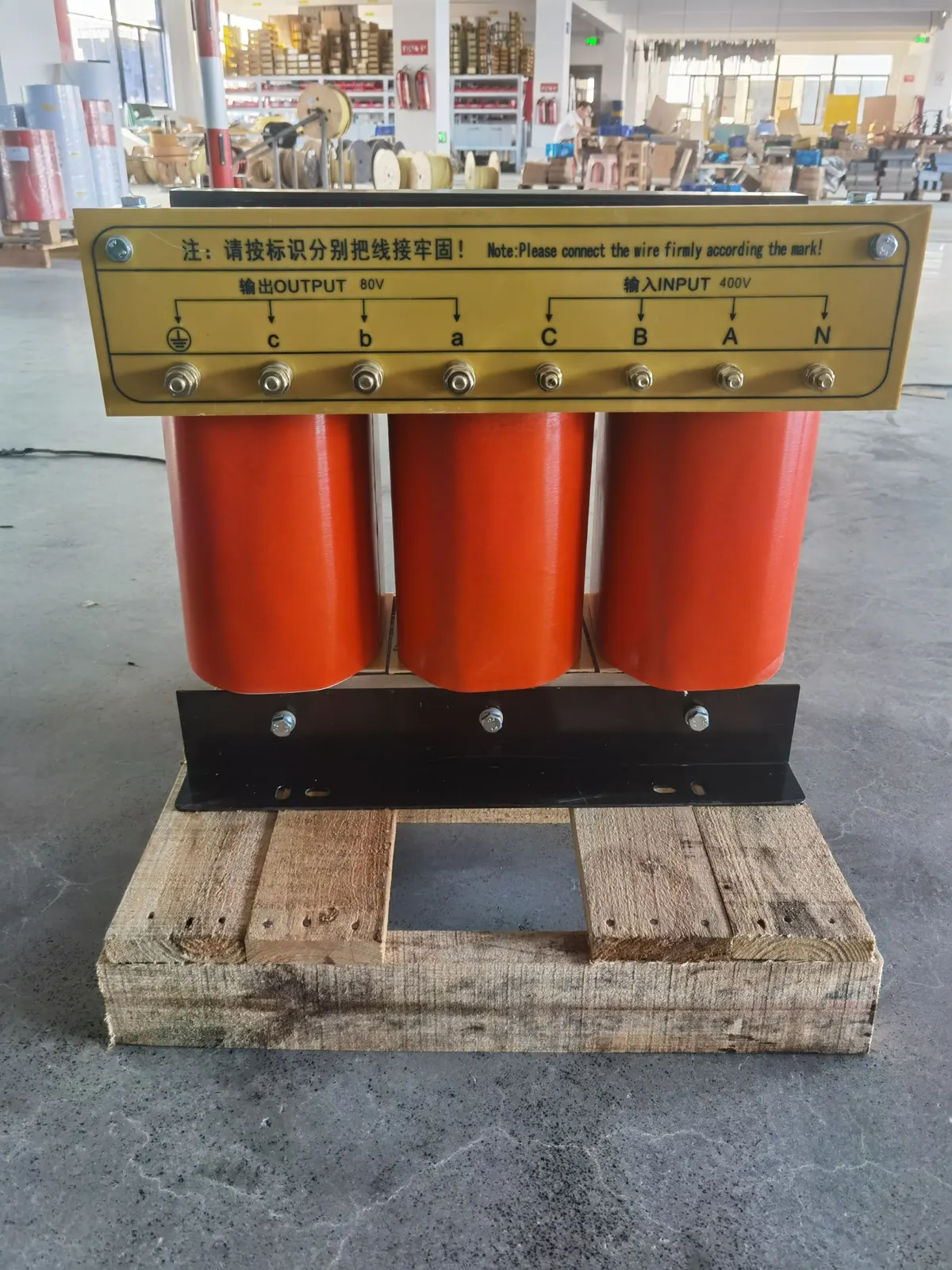
Dry-type transformers cover several solid-insulation builds, including varnished-and-dried windings, vacuum-pressure impregnated (VPI) windings, and cast resin. In our workshop, our production stages include winding, varnishing, and drying. You can walk through those stages in our dry-type transformer manufacturing process.
When your project calls for a specific insulation build, such as VPI or cast resin, name it right in your inquiry. Asking a factory to describe its full winding-treatment process matters. A varnishing step or tank photo shows one part of production, while VPI vs cast resin involves distinct process details.
The open-body photo above shows real coils, clamping pieces, the base, and terminals up close. Use those visible parts to picture layout and terminal clearances, then confirm the exact insulation system and model details in your written spec.
Ask each supplier in your RFQ to state its exact winding insulation and impregnation process so every quote covers the same build.
Site airflow, dust load, and water protection determine whether a dry-type transformer or an oil-type transformer will stay reliable at full load. A ventilated dry-type transformer cools through circulating external air, so clean airflow and protection against dripping water and flooding come first.
Cooling moves waste heat out of the windings and core into the surrounding air. When dust or debris blocks channels between dry-type windings, or tight walls restrict room airflow, hot spots form and speed up insulation aging. Room layout counts.
Check five site conditions early that IEC 60076-11 highlights for inquiry review: restricted ventilation, conductive pollution, heavy dust, salt spray, and unusually high humidity. When your site faces any of those, confirm a verified suitable dry-type design or evaluate an oil-type option matched to its own siting needs.
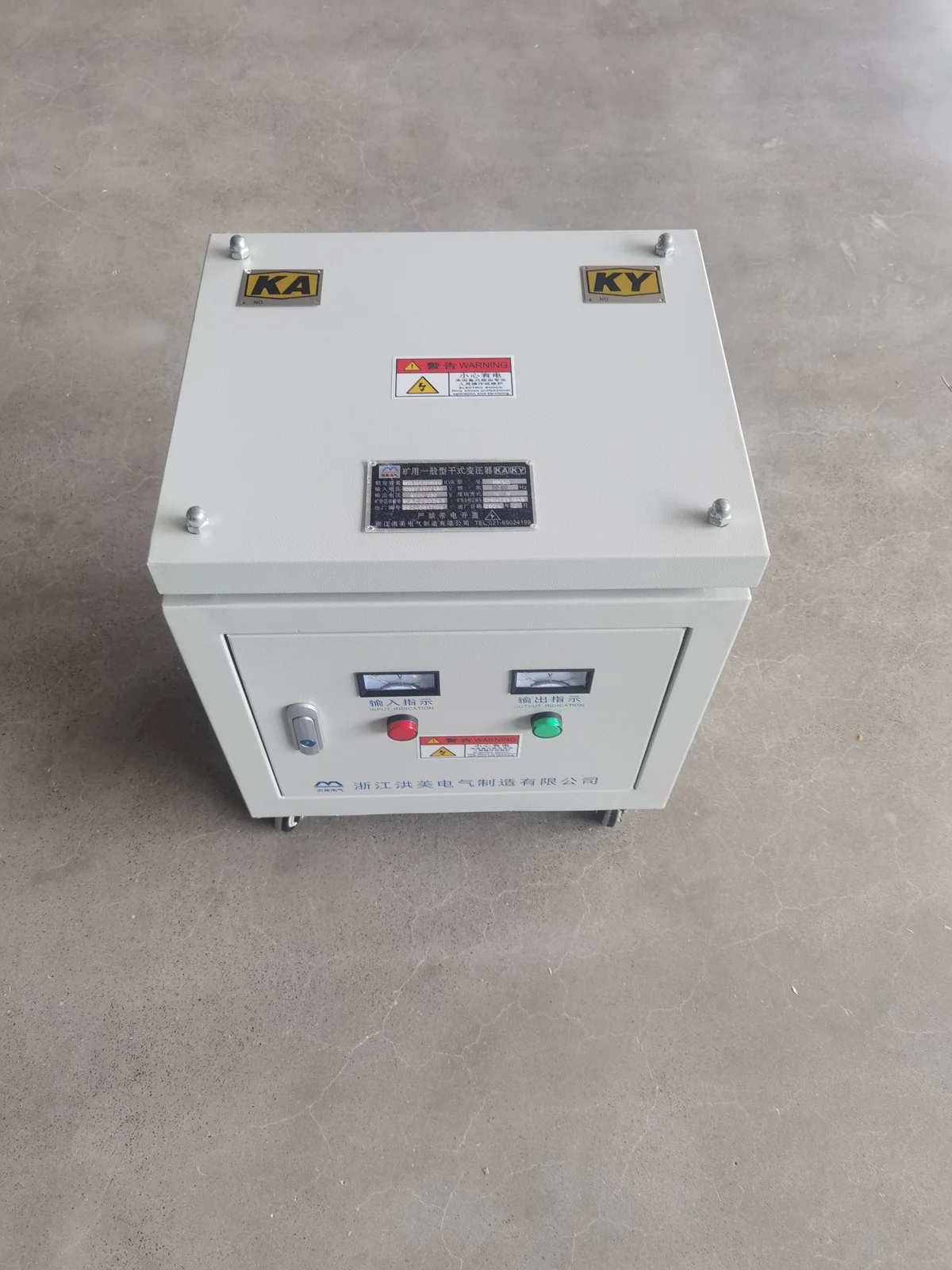
Treat an enclosure as part of the thermal design. Putting an enclosure around an open dry-type transformer alters internal airflow, so confirm the combined thermal performance upfront. When we discuss a dry-type build with you, we ask whether you need an enclosure plus your size and material requirements.
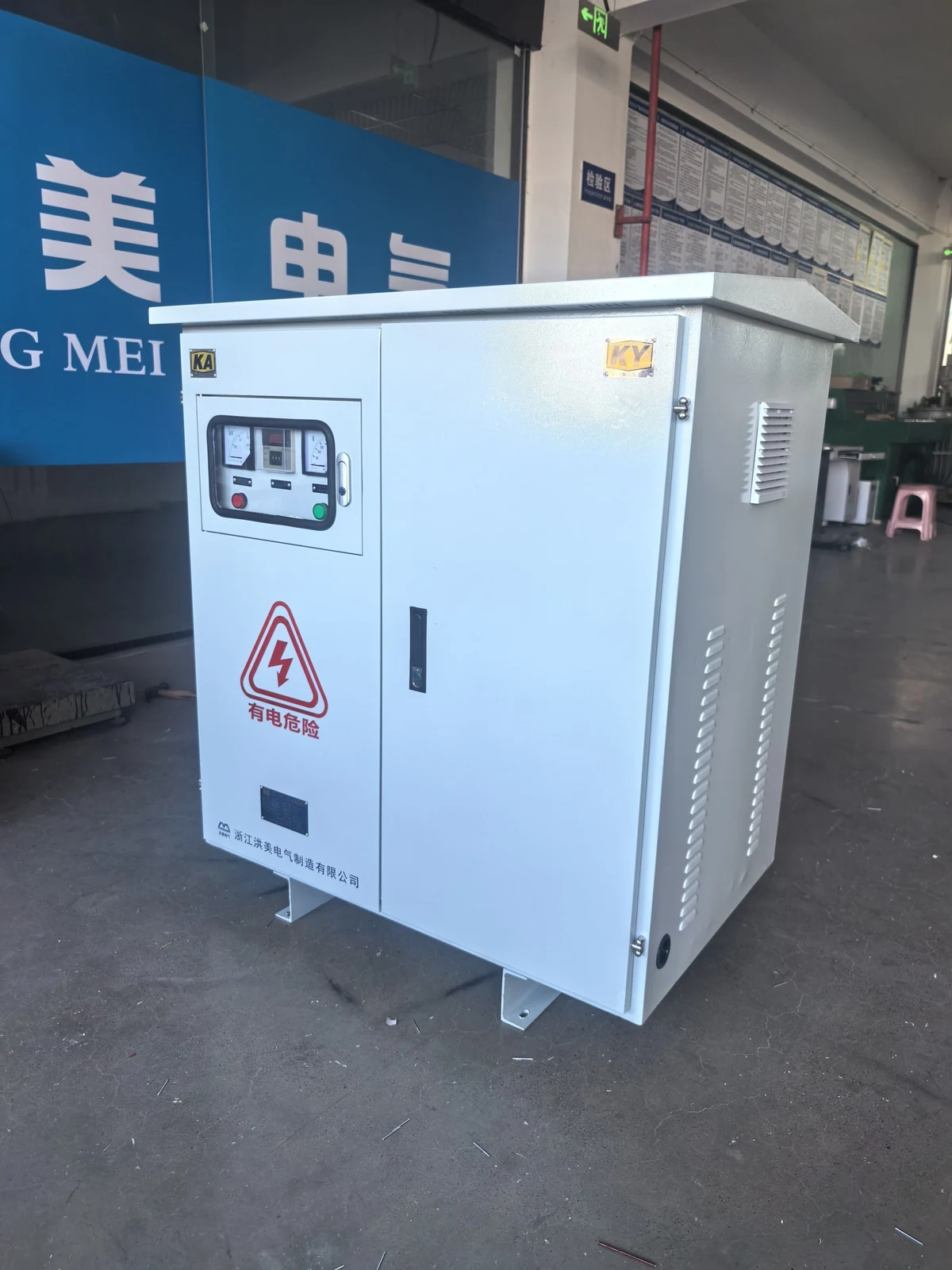
Our cabinet photo shows an enclosed transformer with its nameplate, which is a separate unit from the open-body photo in the construction section. Confirm enclosed thermal ratings on paper before ordering, since cabinet panels alone can’t tell you internal airflow.
For dusty workshops, non-coal mine electrical rooms, or sheltered outdoor pads, order the transformer and enclosure as one factory-rated package. Sharing your space limits and airflow upfront helps you avoid hot spots and capacity derating after delivery.
Oil-type transformers suit outdoor and dusty yards well, and they rely on clean cooling paths too. Units fitted with radiators need clear airflow around those cooling surfaces, because dirt buildup restricts heat removal there as well. Whichever build you select, keep space around its cooling surfaces open.
Dry-type transformers and oil-type transformers both require scheduled inspection after startup, though your crew’s tasks differ sharply. Dry-type care centers on following the equipment manual and keeping dust off insulation and air passages. Oil-type care adds insulating-liquid sampling, seal checks, and cooling-part upkeep.
For a dry-type transformer, safe isolation steps and cleaning intervals come from the manufacturer’s manual. Keeping coils and air slots free of dust protects the cooling path you planned during site layout.
An oil-type transformer adds liquid upkeep to your schedule. Your crew plans periodic insulating-liquid sampling and analysis, checks gaskets and seals, and inspects radiators or fans. Tight seals matter. Moisture or foreign debris entering through a leak degrades the insulating liquid.
Fire and spill planning apply to both builds. A historical nuclear-plant aging report documents liquid-filled transformer failures that caused fires, so projects verify the exact insulating liquid alongside local siting, spill-containment, and fire rules. Picking a dry-type unit removes the liquid bath, while your site fire review still covers the complete installation.
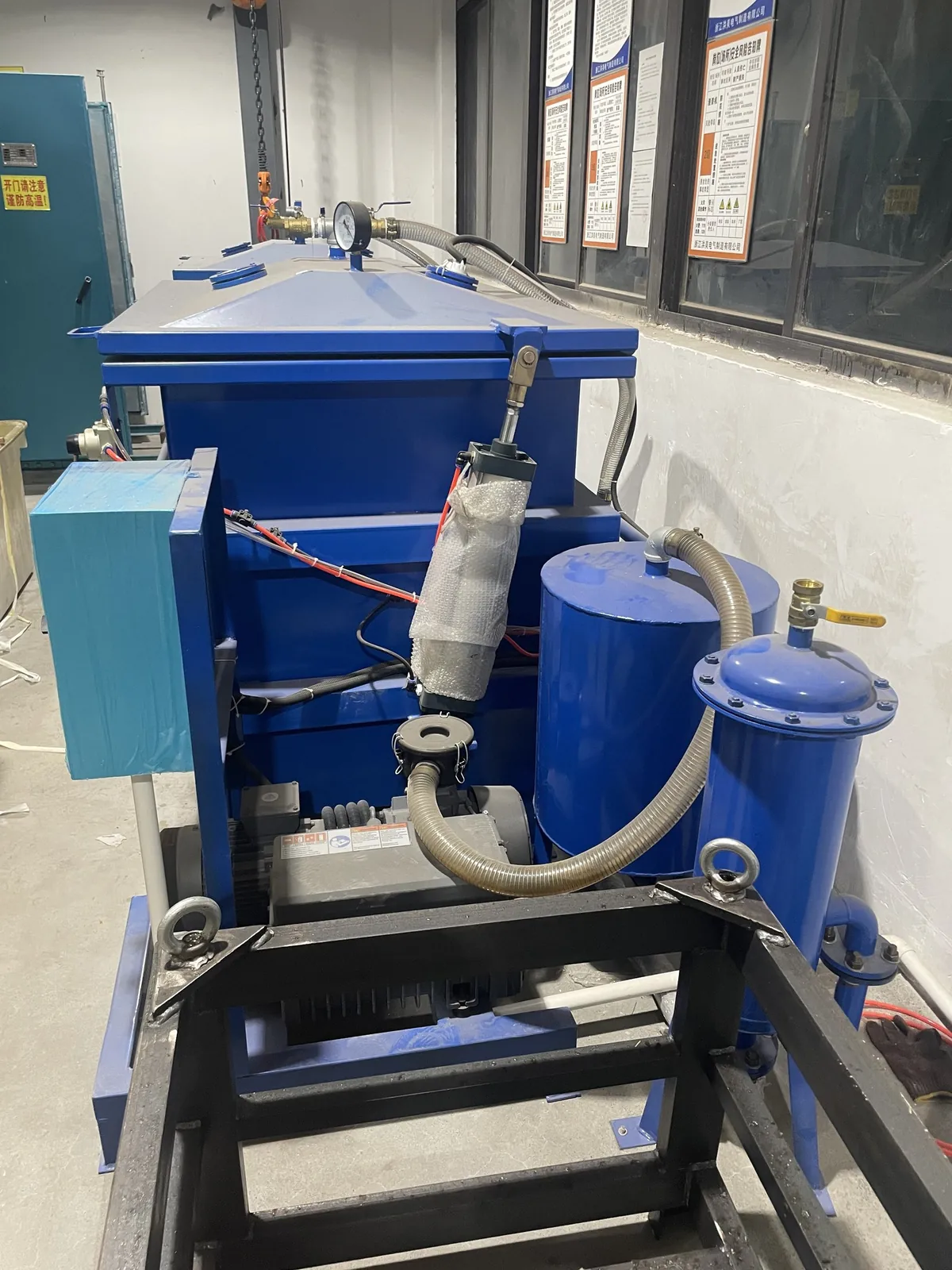
Seeing a varnishing tank in a dry-type factory can make you wonder if liquid stays inside the finished machine. We use vacuum-varnishing equipment during manufacturing, paired with the drying stage covered in the first section. The workshop photo shows the varnishing tank, pump, gauges, and pipework. Once cured and shipped, a dry-type transformer runs dry with zero insulating liquid to sample or top up.
At remote sites far from oil-testing labs, ask for the maintenance checklist and fire-containment notes before locking in a build.
Comparing cost between a dry-type transformer and an oil-type transformer works cleanly once both quotes cover the exact same electrical duty and site scope. Line up purchase price, enclosure or civil work, energy losses, and upkeep over one shared timeline instead of comparing sticker prices alone.
The U.S. Department of Energy’s life-cycle cost (LCC) method puts total installed cost alongside energy and maintenance expenses over one study period and discount basis. Plugging in your own local quotes, power tariff, and load hours gives a realistic project figure.
Two quoted loss figures drive your electricity bill over the unit’s life:
On the dry-type side, IEC 60076-11 links rated power and thermal guarantees to stated continuous loading, voltage, frequency, and cooling conditions. Because losses depend on the test and load basis, a construction label alone won’t tell you which option runs cheaper. Compare quoted no-load and load losses at the exact same load basis.
| Cost or site item | What to ask both suppliers | What to check | Your next step |
|---|---|---|---|
| Electrical duty and rating | Same voltage pair, frequency, load, and cooling basis | Ratings match stated duty conditions | Align any differing duty basis first |
| Site cooling and protection | Verified suitability for room airflow, dust, and water | Complete build meets site conditions | Confirm a verified build or oil-type alternative |
| Installed purchase scope | Transformer, required enclosure, and site civil work | Every required accessory is priced in | Add missing enclosure or site work before comparing |
| Energy cost over service life | Quoted no-load and load losses at the same load basis | Losses fit your load profile and tariff | Calculate energy cost on one shared basis |
| Maintenance and fire rules | Cleaning, liquid sampling, and containment scope | Ongoing crew work and site rules fit budget | Include recurring upkeep in the same total |
When one quote looks much cheaper upfront, put no-load loss, load loss at the same reference load, and required enclosure or civil work onto one sheet. Adding any omitted enclosure, ventilation, or containment work back into the lower bid reveals the real installed cost.
Low purchase price works only when the site satisfies the unit’s cooling and environmental needs. Switching to an oil-type option also brings its own cooling and liquid-preservation requirements. When we prepare a dry-type quotation, we start with your input voltage, output voltage, power rating, and enclosure, size, or material needs. You can also browse our low-voltage dry-type transformers to see which build fits your application.
Choosing between a dry-type transformer and an oil-type transformer stays straightforward when you move in three steps, from site conditions down to total installed cost. Imagine a plant buyer comparing two bids for a dusty workshop. The lower quote looks tempting until the installer spots that it leaves out a rated enclosure. Bolting a local sheet-metal box onto an open unit later would choke airflow and trigger overheating.
Work through these three steps in order to avoid surprises on site:
Before requesting quotes, write five items on a single page: input voltage, output voltage, required power rating, room cooling and maintenance access, and any enclosure, size, or material requirements.