Get Marketing Insights First
Subscribe to receive actionable strategies, growth tips, and industry insights delivered straight to your inbox.
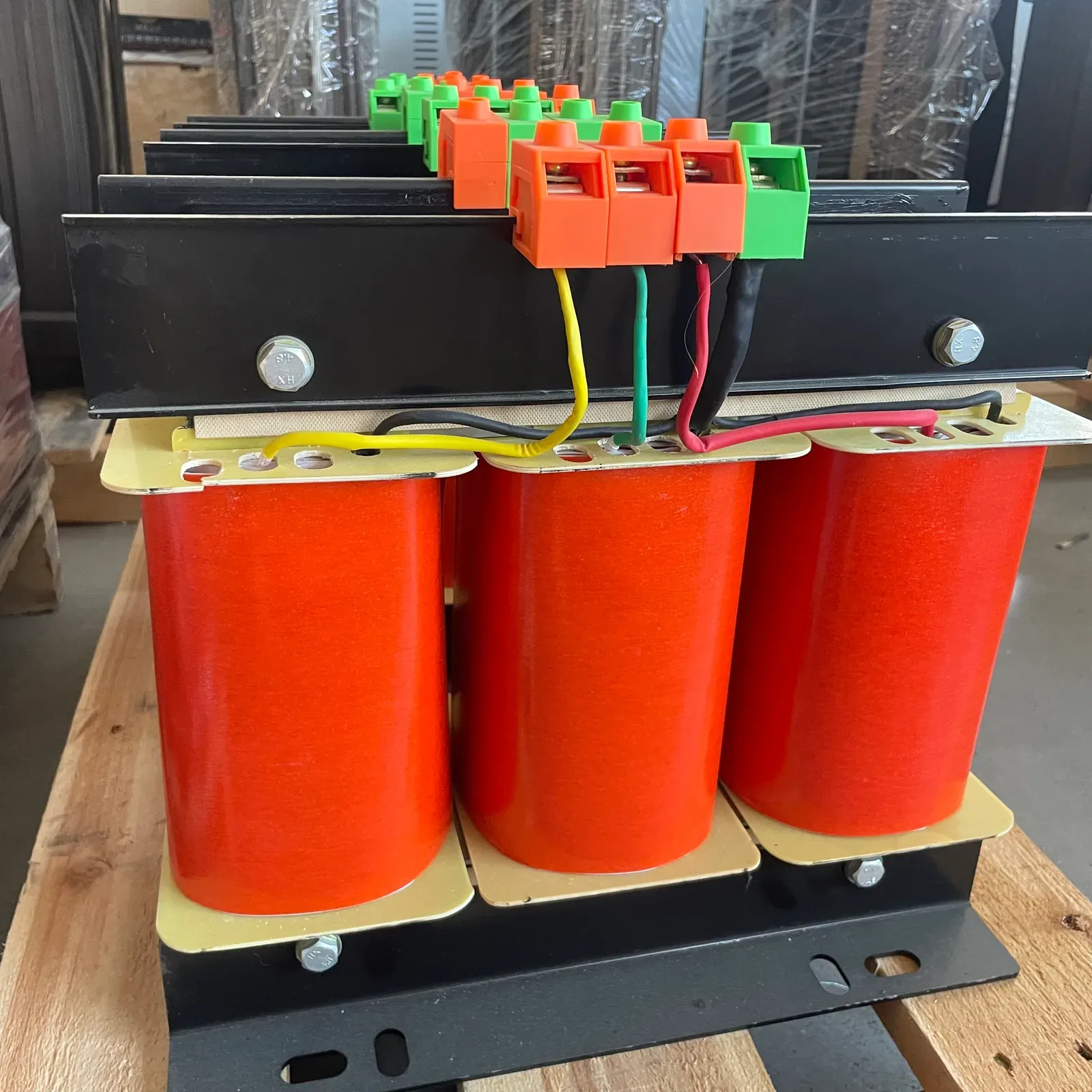
Start with the decision in front of you: mine conditions, equipment supply, capacity, isolation or a control circuit. The guide subjects below follow those questions through to the workshop and order checks.
If you already know the application and want to discuss a product, Browse Transformers by Application.
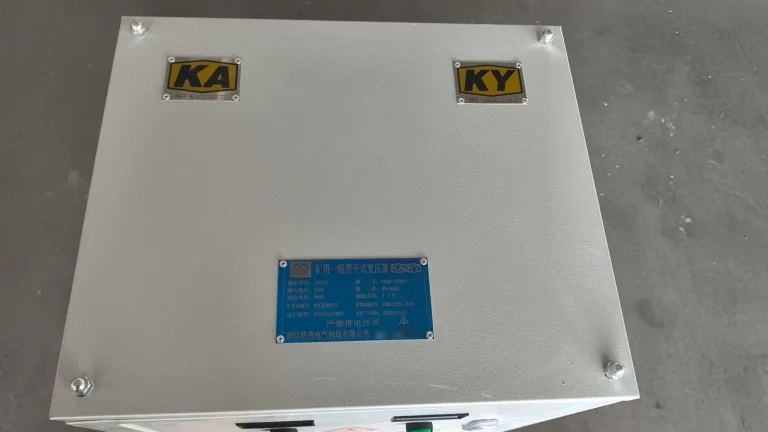
For a mine auxiliary supply, begin with the site and document conditions. Phase choice and nameplate reading are separate questions to follow when those details are needed.
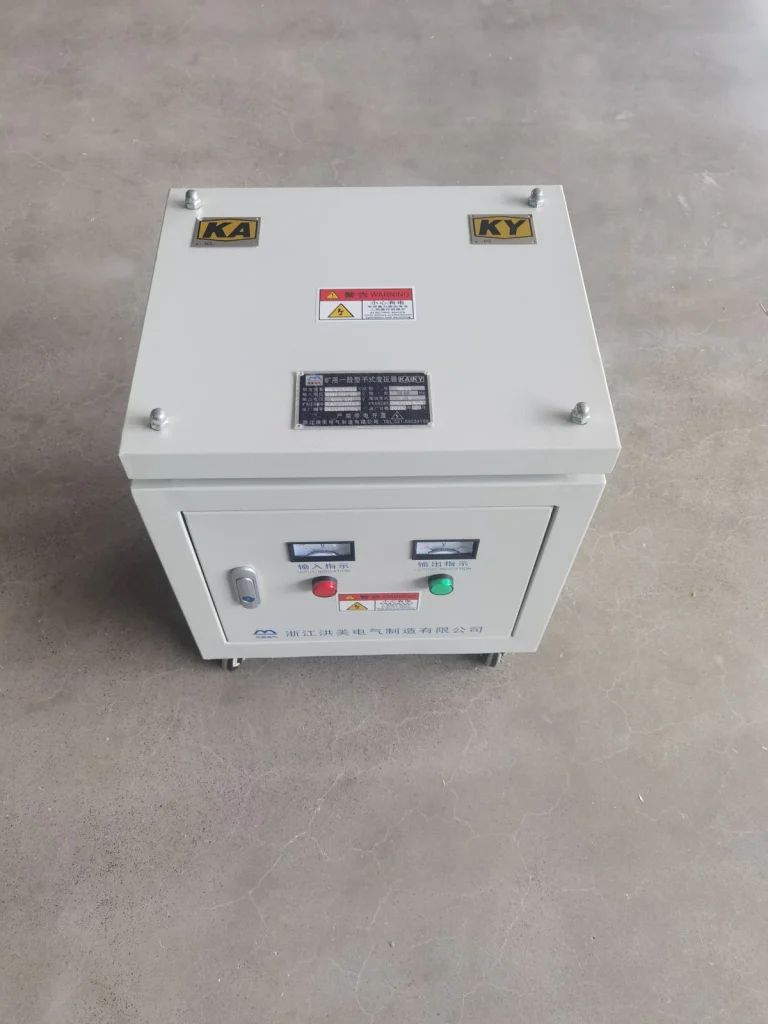
Mining Transformer Selection: Check the Site and Documents: Check the mine environment, required standard and conditions before choosing a model reference.
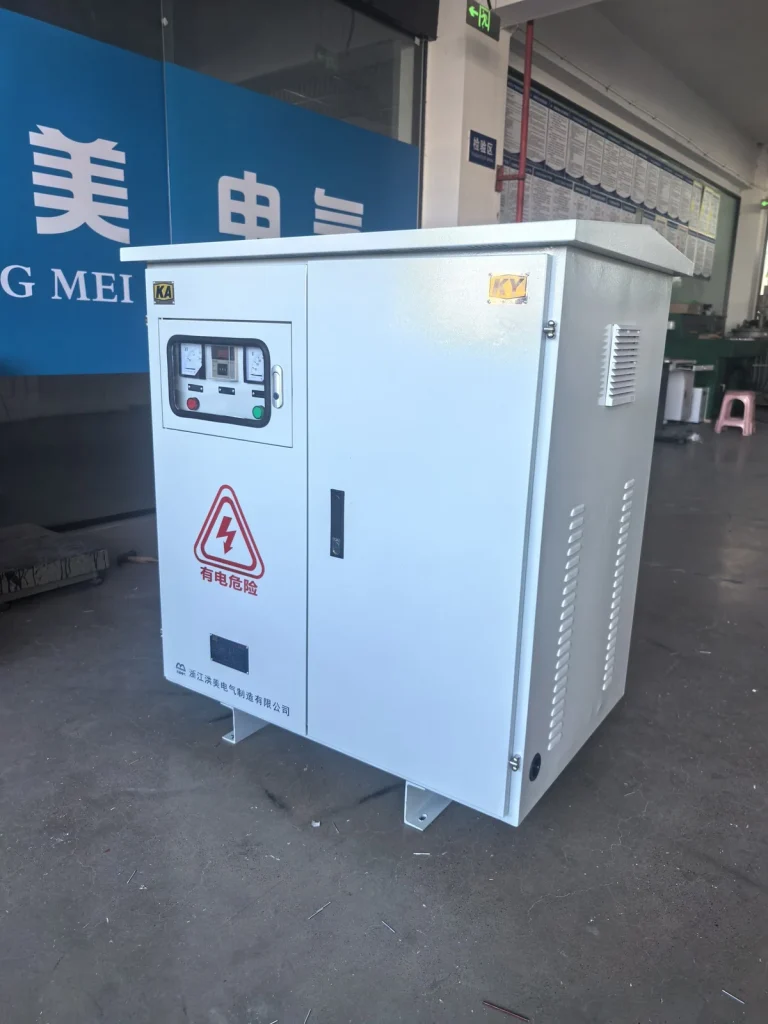
Single-Phase vs Three-Phase Transformer: Which for Mine Auxiliary Loads?: Separate the auxiliary load requirement from the phases available at the site.
How to Read a Transformer Nameplate: Identify the model and electrical fields before discussing a replacement.
Choose the subject that matches the information you are trying to establish. Capacity, voltage conversion, current and isolation answer different questions; keep the equipment specification alongside the calculation or comparison.
How Do Running and Starting Loads Affect Transformer Size?: Bring running demand and starting conditions into the capacity discussion.
Step Up vs Step Down Transformer: Which Does Your Equipment Need?: Compare the supply available with the voltage the equipment requires.
How Do You Convert kVA to kW for a Transformer Load?: Understand the relationship between a load’s kW and its kVA requirement.
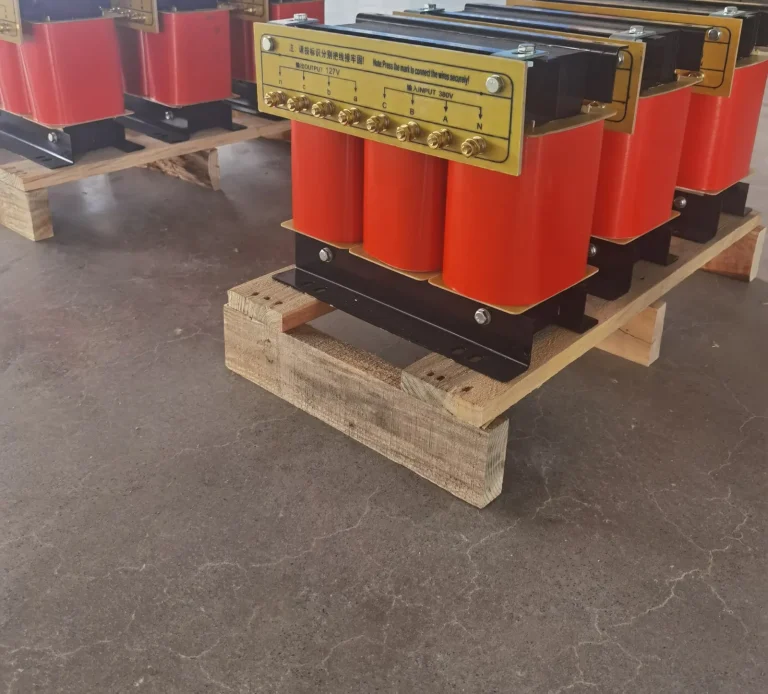
How Do You Convert kVA to Single-Phase or Three-Phase Current?: Choose the single-phase or three-phase current calculation for the information you have.
Isolation Transformer or Autotransformer?: Decide whether electrical isolation is part of the job as well as voltage conversion.
Delta or Wye: What Does the Load Need?: Identify the winding-connection and load questions that need to be settled.
Can a 50Hz or 60Hz Transformer Work on the Other Frequency?: Consider frequency when matching equipment to a different supply.
When Should You Discuss a Custom Transformer Design?: Identify what changes when the normal configuration does not fit the requirement.
How Do Inrush and Sealed VA Affect Control Transformer Sizing?: Bring the control components’ operating and starting demands into the sizing question.
Does Your CNC Machine Need a Supply Transformer or Control Power?: Separate the machine’s main supply from its control-circuit requirement.
Use these subjects to connect a workshop operation, construction choice or order check with the question it helps answer. For the factory views, See the Workshop Process. Packing examples and handover questions sit in Packaging and Dispatch Preparation.
What Do Transformer Checks and Routine Tests Tell You?: Distinguish a stated test item from what a particular inspection record tells you.
Dry-Type or Oil-Type: Which Constraints Shape the Choice?: Compare the installation constraints behind dry-type and oil-type choices.
Dry-Type Transformer Manufacturing Process at Hongmei: Follow the workshop stages from windings to the assembled unit.
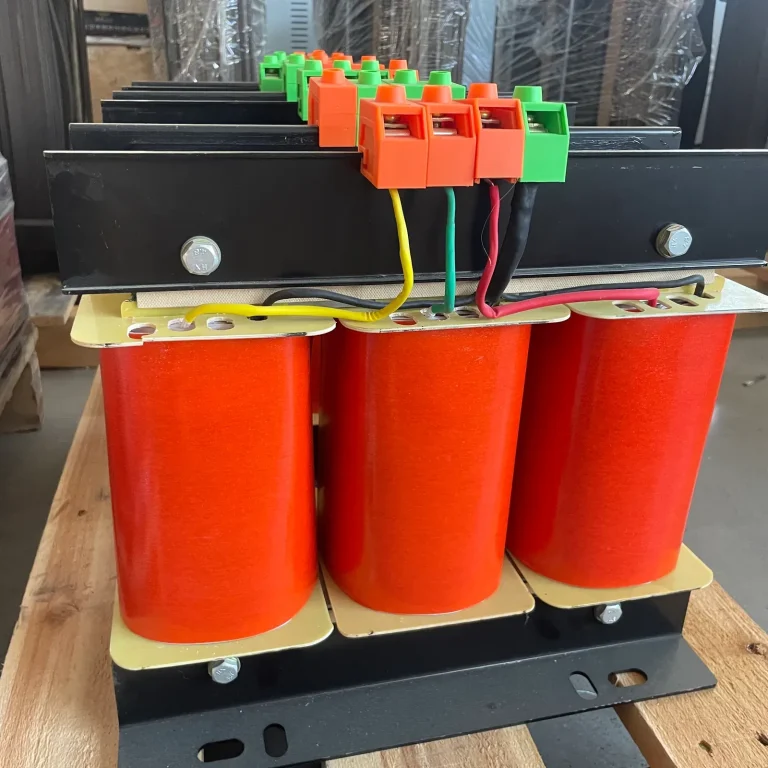
Open Transformer Body or Enclosed Unit?: Consider the integration work when choosing an open assembly or an enclosure.
Why Do Transformer Coils Need Impregnation and Drying?: Understand where winding treatment and drying fit in production.
Copper or Aluminum Transformer Windings?: Compare winding material alongside the space and operating requirements.
VPI or Cast Resin: How Does the Insulation Construction Differ?: Recognise the insulation-construction terms in a transformer specification.
How Does Air Move Heat Away from a Dry-Type Transformer?: Consider airflow and installation space around a dry-type transformer.
What Parts Can You See in a Dry-Type Transformer?: Identify the main visible parts in an open transformer view.
Why Is a Transformer Core Built from Laminations?: Understand the core construction seen alongside the windings.
Transformer Receiving Inspection: What Should You Check?: Organise the observations and records to make when a packed unit arrives.
How Should You Store a Transformer Before Installation?: Prepare the questions to settle when installation will be delayed.
Why Does a Transformer Hum?: Understand the running sound and the information needed for further checks.
What Should You Include in a Transformer RFQ?: Bring the required electrical, enclosure and project details into one enquiry.
Begin with the mine conditions when the purchase is for a mining auxiliary supply. Then use the phase, nameplate and electrical subjects to work through the next question.